The Intersection of the Exhibition Industry and National Election Timelines
Category : electiontimeline |
Sub Category : Posted on 2023-10-30 21:24:53
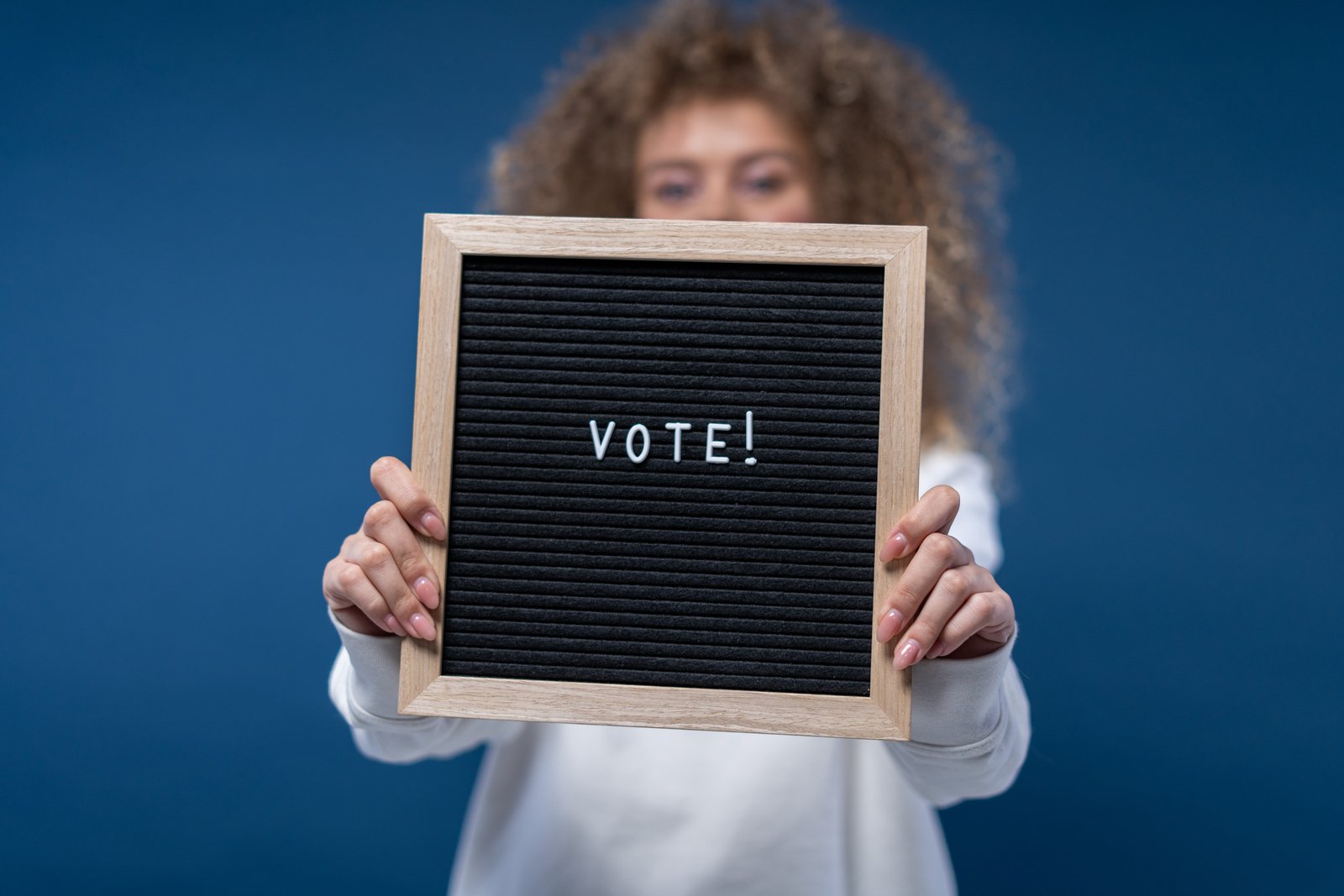
Introduction: The exhibition industry is a crucial platform for businesses, organizations, and governments to showcase their products, services, and ideas to a wide audience. The timing of exhibitions plays a vital role in maximizing their impact, and one factor that can significantly impact these timelines is national elections. In this blog post, we will explore how the exhibition industry intersects with national election timelines and its implications for exhibitors and attendees. 1. Understanding National Election Timelines: National elections are major events that shape the political landscape of a country. From presidential races to local council elections, these electoral processes require extensive planning, preparation, and execution. Election timelines typically involve campaigning, candidate nominations, voter registration, primary elections, debates, and the final voting process. The duration of these timelines, which can extend anywhere from a few months to more than a year, can have significant implications for the exhibition industry. 2. Potential Challenges for Exhibitors: One of the primary challenges that exhibitors may face during national election periods is a decrease in attendance. With the electorate focused on political campaigns and voting, the general public may have less time, attention, and resources available to attend exhibitions. This decline in attendance can impact exhibitors' ability to reach their target audience and generate leads. Moreover, the political climate surrounding elections can create uncertainty and hesitation among potential exhibitors. Businesses may be reluctant to invest in exhibitions during this period, fearing that their marketing efforts may get lost in the noise of political campaigns. This cautious approach can result in a decline in the number of exhibitors, leading to a less diverse and comprehensive showcase of products and services. 3. Opportunities for Exhibitors: Although national election timelines present challenges, they can also create unique opportunities for exhibitors who strategically align their messaging with the political landscape. For instance, businesses related to government affairs, policy advocacy, or election-related merchandise may find it advantageous to participate in exhibitions during this period. By capitalizing on the fervor surrounding the election, these exhibitors can attract an engaged audience interested in political topics. Furthermore, election periods often witness increased media coverage and public interest in political discourse. Exhibitors who can creatively tie their products or services to political themes may find themselves in a favorable position to garner attention and media coverage. Whether it's product innovations that align with campaign promises or services that aid in voter registration, exhibitors can leverage the election's buzz to increase their visibility and brand awareness. Conclusion: National elections and the exhibition industry share a unique relationship, with election timelines impacting attendance rates and exhibitor participation. While there are challenges associated with holding exhibitions during this period, strategic planning and alignment with political themes can also present opportunities for exhibitors to stand out. Understanding the dynamics between the exhibition industry and national election timelines can help businesses and organizations make informed decisions and optimize their participation in exhibitions. By navigating these intersections, exhibitors can continue to leverage the power of exhibitions as a platform to demonstrate innovation, build connections, and capture the attention of their target audience. Visit the following website http://www.svop.org


