Exploring Different Cultures: State Election Timelines
Category : electiontimeline |
Sub Category : Posted on 2023-10-30 21:24:53
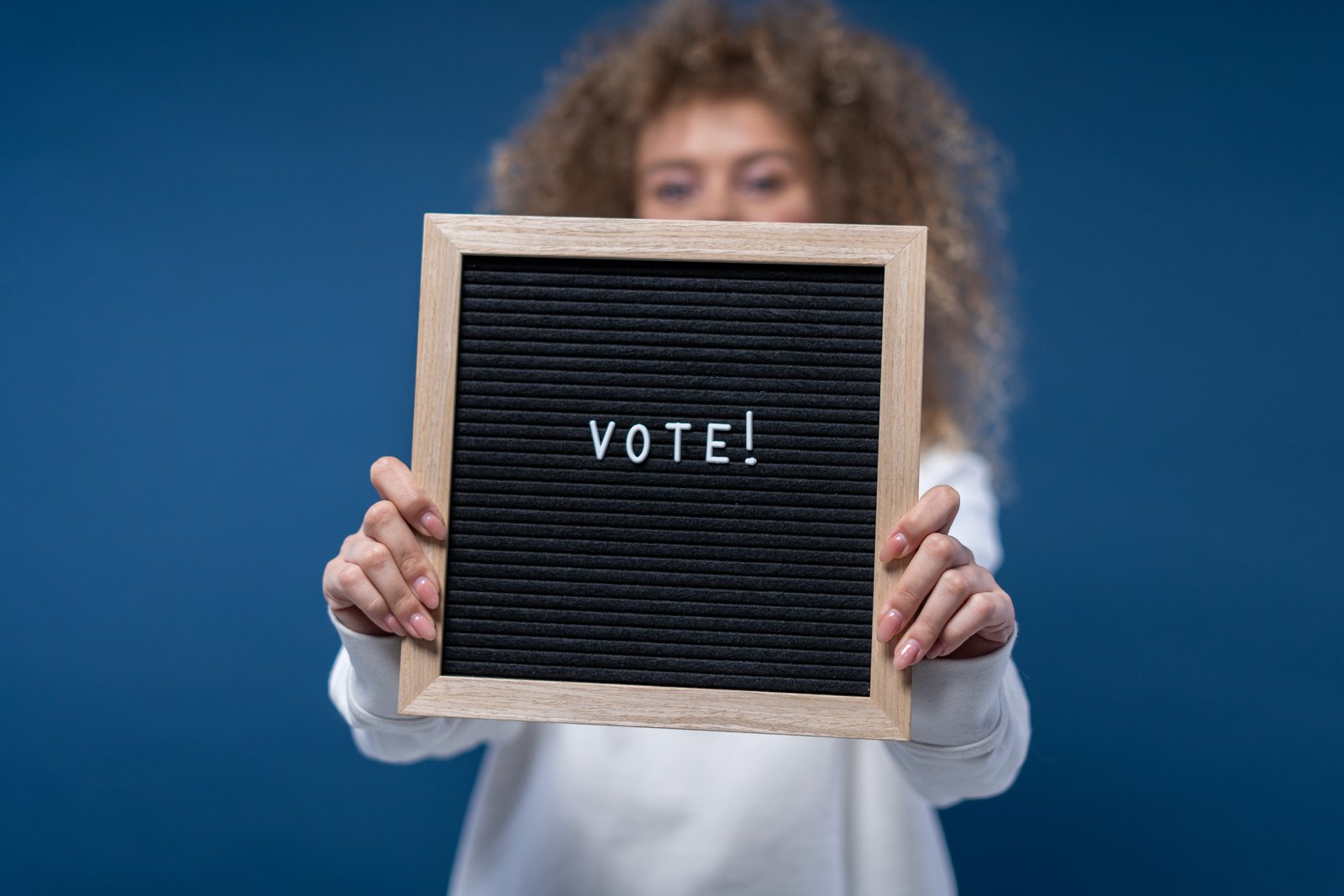
Introduction: Cultures and traditions vary across the globe, creating a beautiful tapestry of diversity. One fascinating aspect of cultural differences is how different countries handle their state or province election timelines. In this blog post, we will explore some intriguing examples of how various cultures manage the crucial process of elections. 1. United States: In the United States, each state has its own election timeline, which makes for a complex and dynamic process. State and local elections generally take place on the first Tuesday after the first Monday in November. However, the election timeline can vary from state to state due to local regulations and circumstances. For instance, primary elections are held in different states at different times, providing an opportunity for candidates to vie for their party's nomination before the general election. 2. United Kingdom: Across the pond, the United Kingdom has its unique approach to state election timelines. General elections typically occur every five years, but the Prime Minister can call an earlier election in exceptional circumstances. Each constituency elects one Member of Parliament (MP) using a simple voting system known as "First Past the Post." The announcement of the election date triggers an intensive campaign period where political parties engage in debates, canvassing, and advertising. 3. Australia: Australia, with its parliamentary democracy, has a distinctive approach to state election timelines. Federal elections usually take place every three years, and each state holds elections for their respective Parliament. Unlike the United States or the United Kingdom, Australia has compulsory voting, meaning that all eligible citizens are required to cast their vote. This aspect of their election culture fosters a broader participation and engagement among the electorate. 4. India: India, the world's largest democracy, conducts state elections on a massive scale. The country follows a multi-phase election process due to its vast population and geographical expanse. Electoral authorities schedule state elections over several weeks, allowing for a fair and efficient polling process. Campaigns are vibrant and diverse, reflecting the cultural and linguistic richness of India's states. Conclusion: Examining election timelines in different cultures reveals the fascinating diversity and uniqueness of the democratic process worldwide. While the United States focuses on individual state regulations, the United Kingdom emphasizes the role of the Prime Minister, Australia demonstrates widespread participation, and India showcases the challenges of conducting elections on a massive scale. These varied approaches highlight the importance of cultural context and the need to adapt electoral systems to suit specific circumstances. Understanding and appreciating different cultures' state or province election timelines provides valuable insights into the democratic traditions that shape our world. By exploring these diverse systems, we are more likely to foster tolerance, respect, and cooperation among nations as we learn to embrace the rich tapestry of global democracy. For a detailed analysis, explore: http://www.culturepolitics.com click the following link for more information: http://www.mimidate.com


