Advocacy for Early Voting Timelines: Ensuring Access to the Ballot Box
Category : electiontimeline |
Sub Category : Posted on 2023-10-30 21:24:53
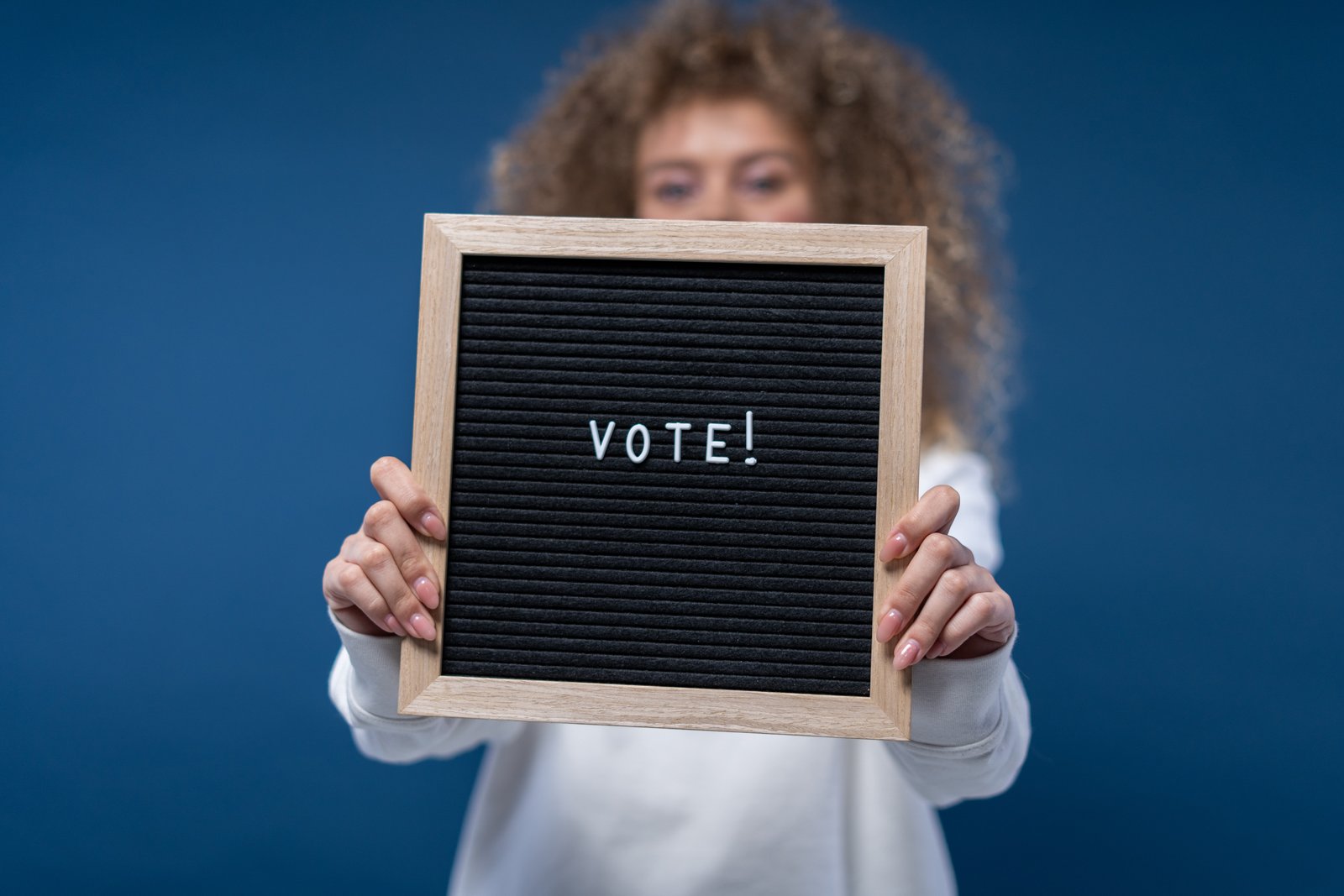
Introduction: As the importance of civic engagement continues to grow, ensuring access to the voting process is crucial for a healthy democracy. In recent years, the need for early voting has become increasingly apparent. Early voting allows individuals to cast their ballots before Election Day, providing flexibility and accommodating diverse schedules. In this blog post, we will delve into the importance of advocacy for early voting timelines and how it can enhance voter participation and civic engagement. 1. Understanding Early Voting: Early voting allows eligible voters to cast their ballots in advance of Election Day. This voting method is particularly beneficial for individuals with work or personal commitments that may hinder their ability to vote on the designated election day. By offering early voting options, governments aim to make the voting process more inclusive, encouraging higher voter turnout. 2. The Significance of Early Voting Timelines: Advocacy for early voting timelines focuses on determining the length and accessibility of early voting periods. It is crucial to ensure that early voting timelines are long enough to accommodate all eligible voters and provide ample opportunities for casting their ballots. Advocacy efforts aim to extend early voting periods beyond a few days or weeks, guaranteeing that voters have sufficient time to exercise their rights. Lobbying for longer early voting timelines is especially important for marginalized communities, people with disabilities, and individuals facing socioeconomic constraints. 3. Enhancing Voter Participation: By advocating for extended early voting timelines, organizations and activists can significantly increase voter participation rates. Research has consistently shown that jurisdictions with longer early voting periods experience higher voter turnout. When voters have more time and flexibility to cast their ballots, they are more likely to overcome barriers such as long wait times and logistical challenges. 4. Encouraging Inclusion and Accessibility: Advocating for early voting timelines also promotes inclusivity and accessibility in the electoral process. By offering extended early voting periods, governments can accommodate individuals with disabilities who may require extra time or assistance to vote. Additionally, this approach helps to overcome language barriers and allows individuals with limited English proficiency to participate fully in the democratic process. 5. Implementing Policy Changes: To achieve meaningful impact, advocacy for early voting timelines should be backed by concrete policy changes. Advocacy groups and concerned citizens can collaborate with legislators to introduce bills that expand early voting periods. By engaging in public discourse and working towards legislative changes, advocates can ensure that early voting timelines become a standard practice that preserves the integrity of the voting process. Conclusion: Advocacy for early voting timelines plays a vital role in fostering a more inclusive and accessible democracy. By extending early voting periods, we can break down barriers, address disparities, and empower more individuals to exercise their right to vote. By advocating for policy changes, we can create a fair and equitable electoral process that encourages maximum participation. Let's continue to raise our voices and work towards a future where every eligible voter has the opportunity to cast their ballot and contribute to shaping our collective future. Curious to learn more? Click on http://www.microadvocacy.com


