A Comprehensive Guide to Creating an Election Timeline for the Urdu Community: Test Resources and Best Practices
Category : electiontimeline |
Sub Category : Posted on 2024-09-07 22:25:23
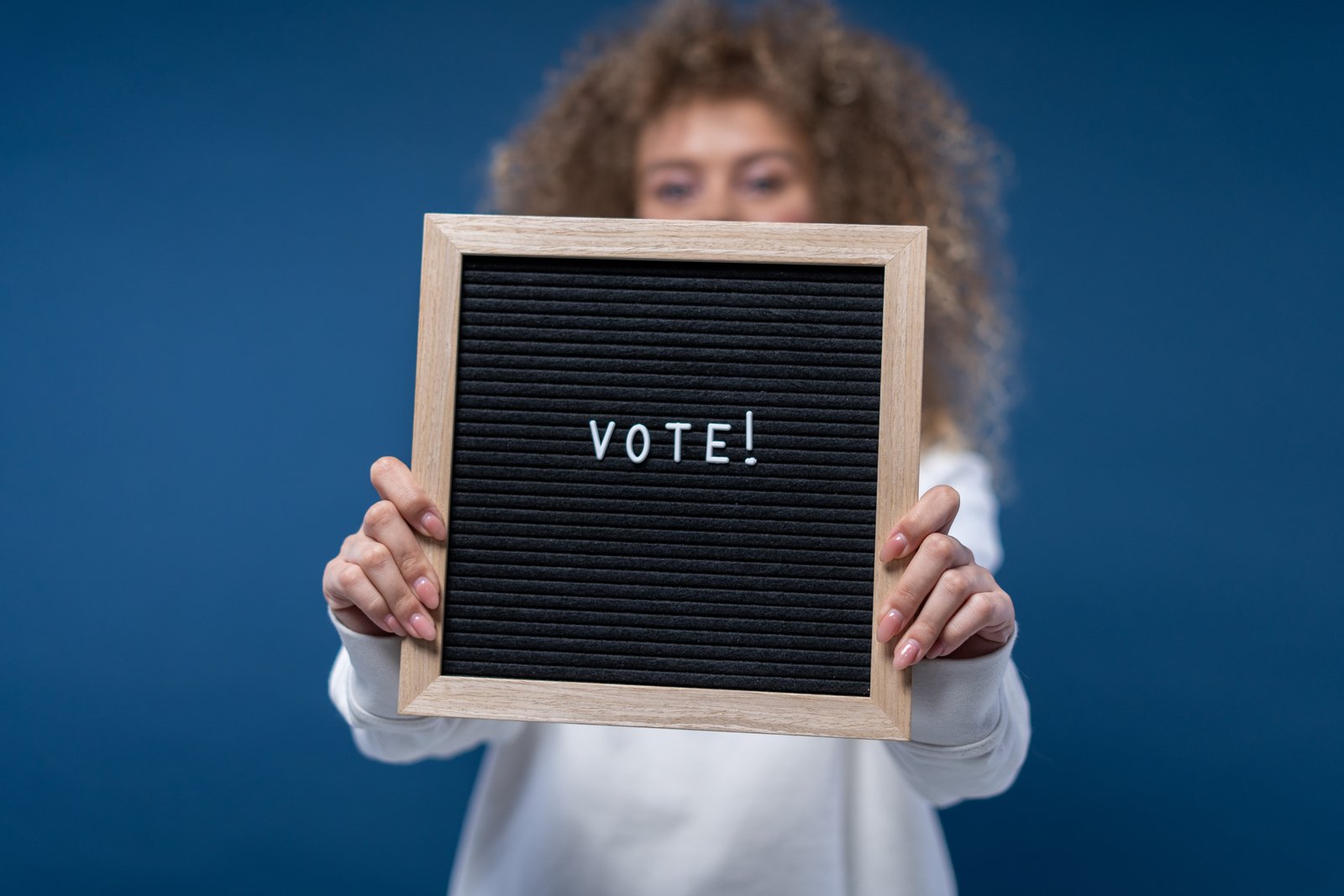
Introduction: Elections play a crucial role in any community, including the Urdu community. Whether it's for local organizations, cultural groups, or any other community-based entity, having a structured and well-planned election timeline is essential for a fair and transparent process. In this blog post, we will explore the steps and resources involved in creating an election timeline specifically tailored to the Urdu community. We will also discuss the importance of utilizing test resources to ensure a smooth election process. Setting Up the Election Timeline: 1. Define the Election Timeline: The first step in creating an election timeline is to clearly define the important dates and deadlines. This includes the start and end dates for nominations, voter registration, campaigning period, and the actual voting day. 2. Allocate Resources: Identify the resources needed for the election process, such as election committees, polling stations, ballot papers, and communication tools. Ensure that these resources are culturally sensitive and accessible to all members of the Urdu community. 3. Communicate Effectively: Utilize multiple communication channels to inform the Urdu community about the election timeline, including social media, community newsletters, and local Urdu-language newspapers. Providing information in both written and spoken Urdu will be crucial for reaching a wider audience. 4. Test Resources: Before the election day, it is essential to conduct test runs of all election resources, including electronic voting systems, if applicable. This will help identify any potential issues and ensure a smooth voting process on the actual election day. Best Practices for a Successful Election: 1. Transparency: Maintain transparency throughout the election process by providing regular updates on the progress, addressing any concerns or questions from the community, and ensuring that the counting of votes is done openly and accurately. 2. Inclusivity: Make sure that the election process is inclusive of all members of the Urdu community, regardless of their background or social status. Encourage participation from all demographic groups to ensure a diverse representation in the elected positions. 3. Security: Implement security measures to safeguard the integrity of the election, such as verifying voter identities, securing ballot boxes, and monitoring for any potential fraudulent activities. Conclusion: Creating an election timeline for the Urdu community involves careful planning, effective communication, and the use of appropriate resources. By following the steps outlined in this guide and incorporating best practices, you can ensure a fair and successful election process that truly represents the voices and choices of the Urdu community. Test resources play a vital role in this process and should be utilized to test the efficacy of the election procedures before the actual event. With a well-organized election timeline and the right resources in place, the Urdu community can conduct elections that uphold democratic values and promote community engagement.


