"The Future of Election Timelines: Cutting-Edge Technology in the Urdu Community"
Category : electiontimeline |
Sub Category : Posted on 2024-09-07 22:25:23
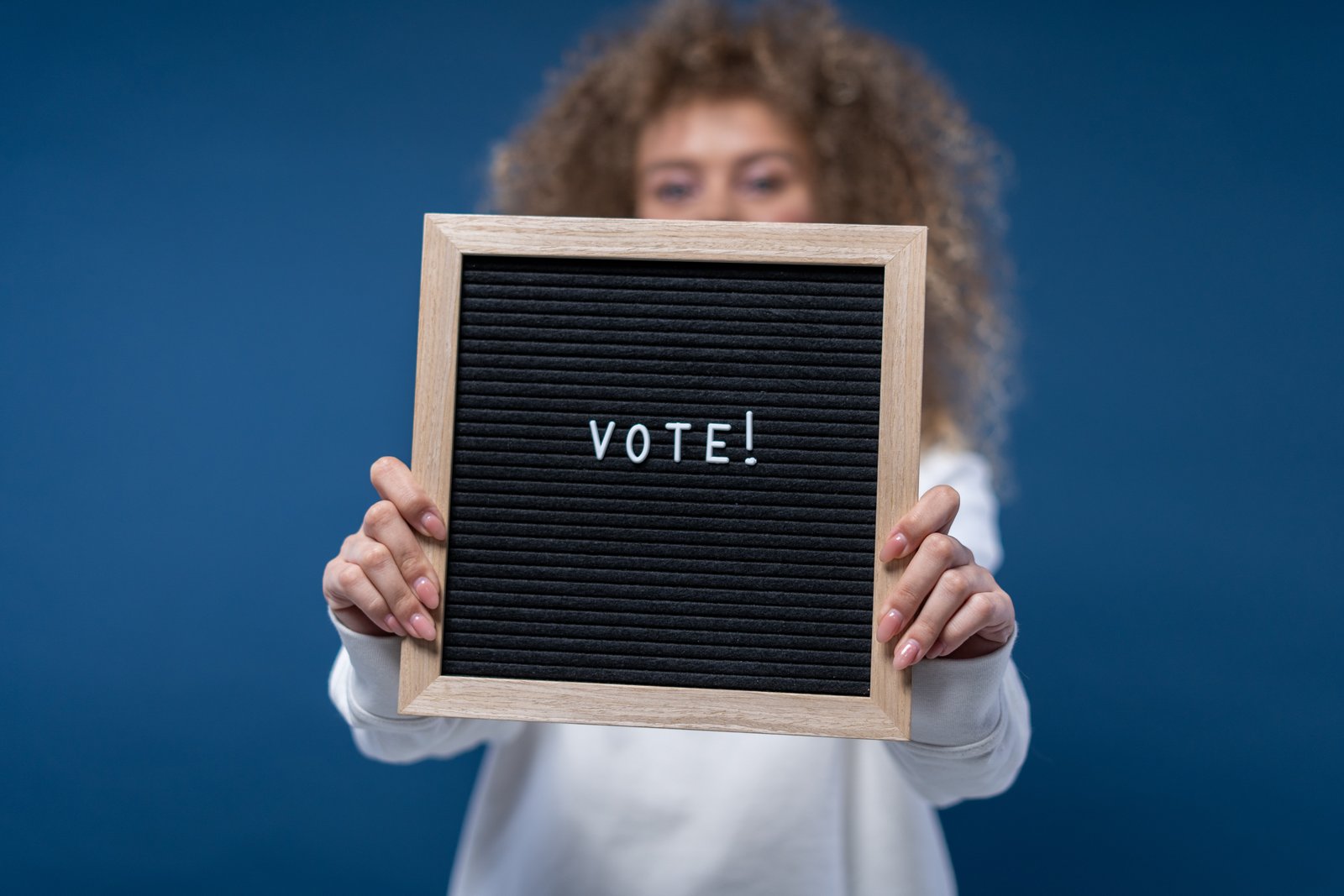
In today's dynamic world, the Urdu community is increasingly embracing cutting-edge technology to revolutionize the way elections are conducted and timelines are managed. From voter registration to result tabulation, technology is playing a vital role in ensuring efficiency, transparency, and accessibility in the electoral process. Let's take a closer look at how the future of election timelines in the Urdu community is being shaped by innovative technological advancements. 1. Voter Registration: Traditionally, voter registration processes were cumbersome and time-consuming, often resulting in low participation rates. However, with the introduction of online voter registration systems, individuals within the Urdu community can now easily register to vote from the comfort of their homes. Cutting-edge technologies such as biometric authentication and blockchain are being leveraged to ensure the security and integrity of voter registration data, ultimately increasing the inclusivity of the electoral process. 2. Election Monitoring: One of the key challenges in election timelines is ensuring the transparency and fairness of the electoral process. Technology is enabling real-time monitoring of polling stations through the use of live video streaming, IoT devices, and data analytics. This not only allows for immediate identification of any irregularities or disruptions but also provides valuable insights for enhancing future election processes within the Urdu community. 3. Result Tabulation: Gone are the days of manual result tabulation processes that were prone to human error and delays. Cutting-edge technologies such as artificial intelligence and machine learning are now being employed to expedite the tabulation of election results accurately. Blockchain technology is also being explored to create immutable and transparent records of election outcomes, instilling trust and confidence in the electoral system. 4. Voter Engagement: Engaging and mobilizing voters within the Urdu community is essential for a vibrant and participatory democracy. Social media platforms, mobile applications, and virtual reality experiences are being utilized to disseminate information, raise awareness, and encourage voter turnout. Personalized messaging and targeted outreach campaigns powered by data analytics are enabling political candidates to connect with voters on a more meaningful level. 5. Future Possibilities: Looking ahead, the future of election timelines in the Urdu community seems promising with the potential integration of emerging technologies such as quantum computing, facial recognition, and decentralized voting systems. These innovations hold the promise of further enhancing the security, efficiency, and accessibility of the electoral process, shaping the democratic landscape for generations to come. In conclusion, the Urdu community is at the forefront of leveraging cutting-edge technology to redefine election timelines and set new standards for democratic practices. By embracing innovation, transparency, and inclusivity, the future of elections within the Urdu community is poised to be characterized by efficiency, integrity, and public trust. Let us continue to embrace the power of technology in shaping the future of democracy for all.


