Urdu Community Election Timeline and Cultural Significance
Category : electiontimeline |
Sub Category : Posted on 2024-09-07 22:25:23
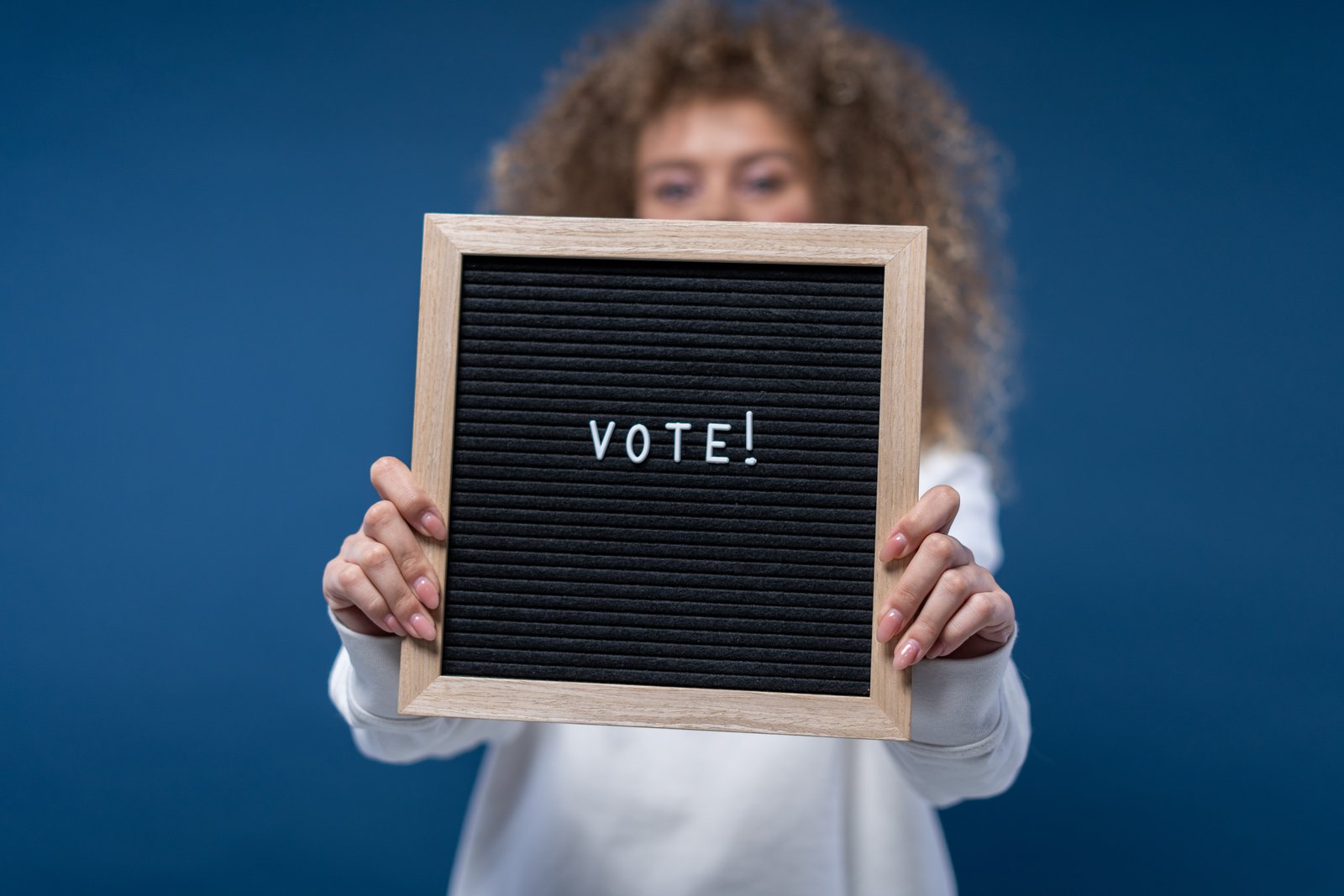
Elections are a crucial part of any community's democratic process, allowing individuals to have a say in shaping the future of their society. The Urdu-speaking community, spread across various countries around the world, also holds elections to select its representatives and leaders. Let's explore the typical timeline of an Urdu community election and delve into the Cultural significance of this democratic exercise. 1. Pre-Election Phase: In the months leading up to the election, members of the Urdu community come together to discuss important issues, identify potential candidates, and set the agenda for the upcoming polls. This phase involves grassroots organizing, fundraising, and rallying support for different candidates or political parties. 2. Candidate Nomination: As the election date approaches, interested individuals within the Urdu community can nominate themselves as candidates for various positions, such as community leaders, board members, or representatives. Nominees present their vision, goals, and qualifications to the community, seeking their support and votes. 3. Campaigning and Outreach: Candidates engage in active campaigning to reach out to as many members of the Urdu community as possible. This includes organizing rallies, debates, town hall meetings, and using social media platforms to communicate their message and connect with voters. Campaign materials, such as posters, flyers, and ads, are also widely used to increase visibility. 4. Voting Process: On the day of the election, eligible members of the Urdu community cast their votes either in person at designated polling stations or through online voting platforms. The voting process is conducted with transparency and integrity to ensure a fair and democratic outcome. Results are usually announced promptly after the voting period ends. 5. Post-Election Phase: Once the election results are finalized, the newly elected leaders and representatives take office and begin their responsibilities. They work towards implementing their proposed policies, addressing community concerns, and fostering unity and progress within the Urdu community. Regular communication with community members and accountability are key aspects of the post-election phase. Cultural Significance of Urdu Community Elections: Elections within the Urdu community hold profound cultural significance, reflecting the values of democracy, participation, and community engagement. Through the electoral process, community members exercise their right to choose their leaders and shape the direction of their community. This democratic practice also promotes inclusivity, diversity, and representation, ensuring that different voices and perspectives are heard and considered. Furthermore, Urdu community elections serve as a platform for fostering unity, cooperation, and solidarity among community members. Regardless of differences in opinions or backgrounds, community members come together during elections to discuss issues, debate solutions, and work towards common goals. This shared democratic experience strengthens the social fabric of the Urdu community and reinforces the importance of civic engagement and activism. In conclusion, Urdu community elections play a vital role in upholding democratic principles, promoting cultural identity, and empowering community members to actively participate in governance. By following a structured timeline and embracing the cultural significance of these elections, the Urdu community continues to nurture a vibrant and inclusive democratic process that resonates with its rich heritage and values.


